
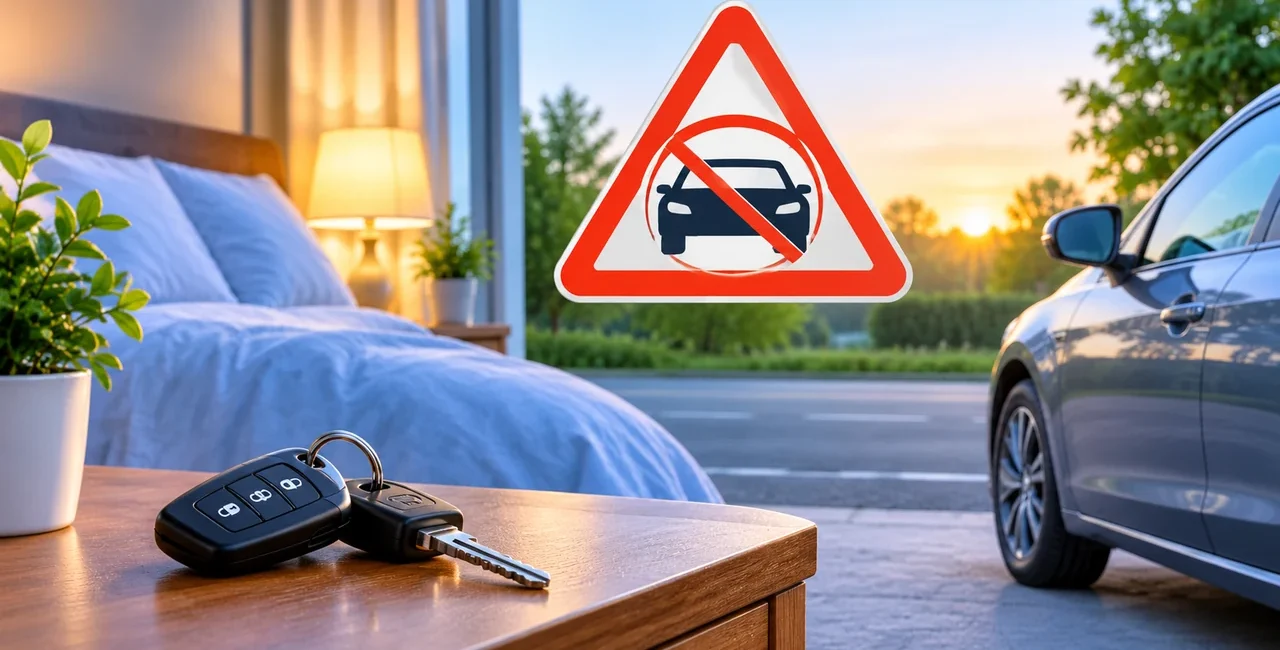
Zopiclone and Driving: What You Need to Know
Zopiclone is a prescription medicine used for the short-term treatment of sleep problems. Although it is prescribed for short-term sleep problems, it can also affect alertness, concentration, coordination and reaction time. For general non-medicine sleep habits, read our guide to healthy ways to improve sleep naturally.
These effects are particularly important when driving. Even if you feel awake the next morning, you may still experience reduced alertness or slower reactions.
This guide explains the connection between zopiclone and driving, the potential risks, important safety precautions and when to seek medical advice.
Can You Drive After Taking Zopiclone?
You should not drive after taking zopiclone until it is safe to do so.
UK NHS guidance advises people not to drive, cycle or operate machinery for at least 12 hours after taking zopiclone. If you still feel sleepy, dizzy, confused or less alert after that period, do not drive until these effects have completely worn off.
The 12-hour period is a minimum safety recommendation, not a guarantee that everyone will be fit to drive afterwards. Always follow the instructions provided by your prescriber and the patient information leaflet supplied with your medicine.
How Does Zopiclone Affect Driving Ability?
Zopiclone acts on the central nervous system to produce a sedative effect. While this may help with sleep, the effects can sometimes continue into the following day.
1. Drowsiness and reduced alertness
You may feel sleepy or unusually tired the next morning. This can make it harder to remain attentive, particularly during longer journeys.
2. Slower reaction times
Driving requires quick responses to changing road conditions. Zopiclone may slow your reactions, making it harder to respond to sudden braking, pedestrians or unexpected obstacles.
3. Poor concentration
Some people experience difficulty concentrating or maintaining attention after taking zopiclone. This can affect decision-making behind the wheel.
4. Dizziness and poor coordination
Dizziness or impaired coordination may affect your ability to control a vehicle safely.
5. Memory and awareness problems
In some cases, zopiclone can cause memory problems or unusual behaviour while a person is not fully awake. These effects can create additional safety concerns.
How Long Should You Wait Before Driving?
The NHS advises waiting at least 12 hours after taking zopiclone before driving or operating machinery. For more information about how long its effects may last, read how long zopiclone may make you sleep.
However, the time needed can vary between individuals. Factors that may increase the risk of impairment include:
- Taking more than the prescribed amount.
- Not allowing enough time for a full night’s sleep.
- Drinking alcohol while taking zopiclone.
- Taking other medicines that cause drowsiness.
- Experiencing ongoing side effects the following morning.
Important: Do not assume that you are safe to drive simply because 12 hours have passed. If you feel tired, dizzy, confused or less alert, do not drive.
Can You Drive the Morning After Taking Zopiclone?
Some people may still experience side effects the morning after taking zopiclone. Warning signs include unusual sleepiness, difficulty focusing, blurred vision or dizziness, confusion, slower reactions, and poor balance or coordination. You can read more about possible reactions in our guide to zopiclone side effects.
If you notice any of these symptoms, avoid driving and arrange alternative transport. If the symptoms persist or concern you, contact your doctor or pharmacist. For more general medicine questions, see our zopiclone frequently asked questions.
Does Alcohol Increase the Risk of Driving After Zopiclone?
Yes. Alcohol can increase the sedative effects of zopiclone. Combining alcohol with zopiclone may cause excessive drowsiness, reduced coordination and impaired judgement. It can also increase the risk of serious breathing problems.
Avoid alcohol while taking zopiclone. Do not drive if you have combined the two, even if you believe you feel normal.
What Does UK Law Say About Zopiclone and Driving?
In England, Scotland and Wales, it is illegal to drive while your ability to drive is impaired by drugs. Prescription medicines are included in this rule.
Having a valid prescription does not automatically make it legal to drive if the medicine has affected your ability to drive safely. If you are unsure whether your medication could affect driving, speak to your doctor or pharmacist before getting behind the wheel.
What Should You Do If You Need to Drive Regularly?
If driving is an important part of your daily routine, discuss this with your healthcare professional before starting zopiclone. Explain your driving schedule, ask about possible effects on next-day alertness, plan alternative transport when necessary, avoid alcohol and other sedating substances, and follow the prescribed instructions carefully.
Do not change your treatment or stop taking prescribed medication without discussing it with your healthcare professional.
Frequently Asked Questions
Can I drive 12 hours after taking zopiclone?
The NHS advises avoiding driving for at least 12 hours after taking zopiclone. However, you should not drive if you still feel sleepy, dizzy or less alert after this period.
Can zopiclone affect driving the next morning?
Yes. Some people experience next-day drowsiness, reduced concentration, dizziness or slower reactions. These effects can make driving unsafe.
Is it illegal to drive after taking prescribed zopiclone?
It can be illegal if zopiclone has impaired your ability to drive safely. A prescription does not permit you to drive while impaired.
Does taking zopiclone with alcohol make driving more dangerous?
Yes. Alcohol can increase sedation and impairment when combined with zopiclone. Avoid this combination and do not drive if you have taken both.
What should I do if I feel sleepy before driving?
Do not drive. Arrange alternative transport and speak to a healthcare professional if the drowsiness is persistent or concerning.
Final Thoughts
Zopiclone may help with short-term sleep problems, but its effects can continue into the following day. Drowsiness, slower reactions, dizziness and reduced concentration can all affect driving ability.
The key safety advice is to wait at least 12 hours after taking zopiclone before driving, and to avoid driving for longer if you still experience any side effects. Always follow professional medical advice and UK road-safety requirements.
Medical disclaimer: This article is for general educational purposes only and is not a substitute for professional medical advice. Always follow your prescriber’s instructions and consult a qualified healthcare professional about medication-related concerns.