Author: Kevin

  • How Long Will Zopiclone Make You Sleep?

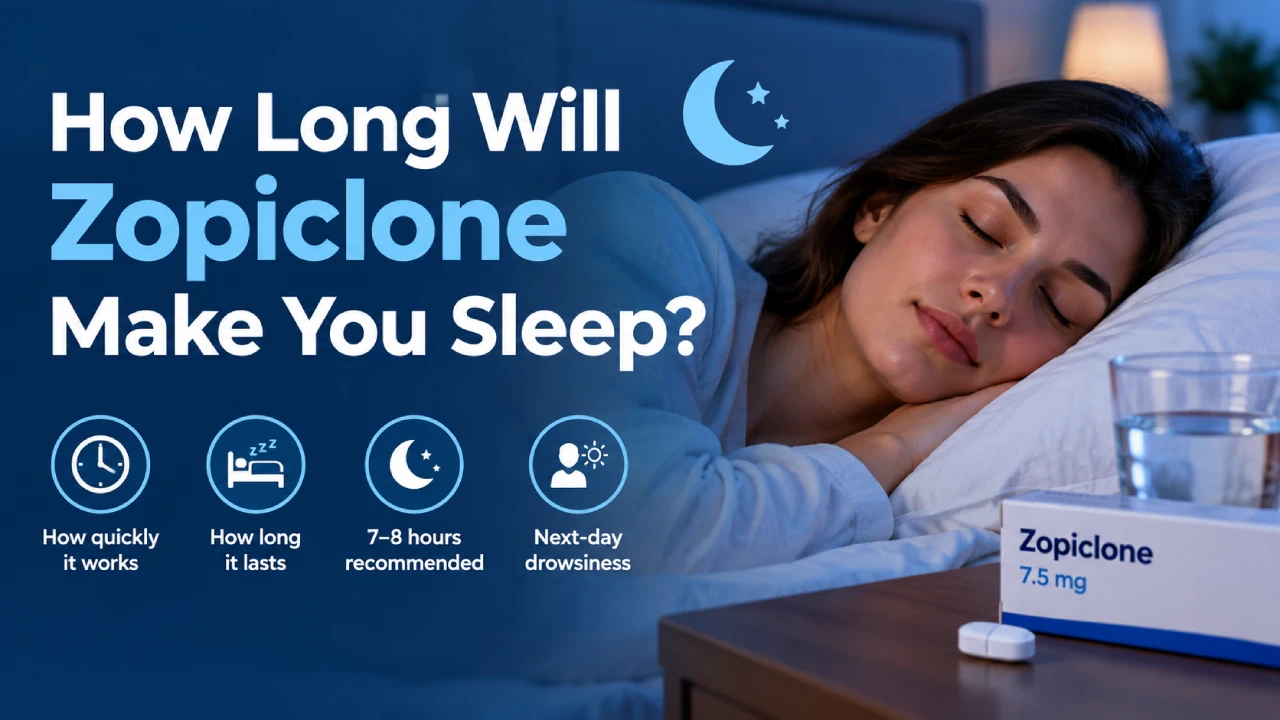
    How Long Will Zopiclone Make You Sleep?

    If you have been prescribed zopiclone for insomnia, you may wonder how long zopiclone will make you sleep and how long its effects can last.

    Zopiclone is a prescription sleeping medicine used for the short-term treatment of insomnia. It can help you fall asleep more quickly and may help reduce waking during the night. However, it does not make everyone sleep for exactly the same amount of time.

    Zopiclone generally starts working within around 30 to 60 minutes. UK patient information also advises that you should have approximately 7 to 8 hours available for uninterrupted sleep after taking it. (NHS)

    How Long Does Zopiclone Make You Sleep?

    There is no fixed number of hours that zopiclone will make every person sleep.

    The medicine is intended to help with falling asleep and maintaining sleep, but your actual sleep duration can depend on factors such as:

    • Your age
    • Your individual response to zopiclone
    • The severity and type of insomnia
    • Other medicines you take
    • Alcohol consumption
    • Your normal sleep pattern
    • Other medical conditions

    The NHS advises taking zopiclone shortly before going to bed and ensuring that you have enough time for a full night’s sleep. (NHS — Zopiclone)

    If you are interested in the timing of the medicine, see our guide on how long before bed you should take zopiclone.

    How Quickly Does Zopiclone Start Working?

    Zopiclone usually begins to work relatively quickly.

    According to the NHS, it generally takes approximately 30 to 60 minutes to start working. (NHS — Zopiclone)

    For this reason, it is normally taken immediately before going to bed.

    If you want to understand more about the onset of action, read:

    How Long Does Zopiclone Take to Work for Sleep?

    How Long Does Zopiclone Last?

    The duration of zopiclone’s effects is not exactly the same as the time the medicine remains in your body.

    The UK Summary of Product Characteristics reports an elimination half-life of approximately 5 hours in adults. Half-life describes how quickly the concentration of a medicine decreases in the body; it does not mean that someone will necessarily sleep for exactly five hours. (eMC — Zopiclone)

    This is why questions such as “How long does zopiclone last?” and “How long will zopiclone make me sleep?” do not have exactly the same answer.

    For more information about elimination, read:

    How Long Does Zopiclone Stay in Your System?

    Why Is 7–8 Hours of Sleep Recommended After Zopiclone?

    You may see 7–8 hours mentioned when reading about zopiclone.

    This does not mean that zopiclone automatically puts everyone to sleep for exactly eight hours.

    Instead, patient information advises that you should be able to get 7–8 hours of uninterrupted sleep after taking the medicine. This helps reduce the risk of being awake or active while the sedative effects are still present. (eMC Patient Information Leaflet)

    Taking zopiclone when you have only a few hours available for sleep may increase the chance of feeling tired or less alert afterwards.

    How Long Does Zopiclone 7.5mg Make You Sleep?

    Zopiclone 7.5mg does not guarantee a specific sleep duration.

    The response can vary between individuals. The prescribed dose and duration of treatment should be determined by a healthcare professional.

    The UK prescribing information states that treatment should use the lowest effective dose for the shortest appropriate duration. (eMC — Zopiclone)

    You should not increase the amount you take simply because you did not fall asleep as quickly as expected.

    If you have already taken your prescribed dose and remain awake, do not automatically take another tablet during the same night. Follow the instructions provided by your prescriber or pharmacist.

    Can Zopiclone Cause Next-Day Sleepiness?

    Yes. Some people can experience tiredness, sleepiness, dizziness or reduced alertness the following day.

    The NHS lists feeling tired, sleepy, dazed or less alert the following day among possible side effects. (NHS — Zopiclone)

    The NHS also advises avoiding driving, cycling or operating machinery for 12 hours after taking zopiclone, and longer if you still feel affected. (NHS — Zopiclone)

    If you regularly experience significant morning drowsiness, speak with your doctor or pharmacist.

    What Can Make Zopiclone’s Effects Last Longer?

    Several factors can influence how strongly or how long a person experiences the effects of zopiclone.

    Age

    Older adults can eliminate zopiclone more slowly, meaning that its effects may persist for longer.

    Other medicines

    Some medicines can increase the sedative effects of zopiclone. Tell your doctor or pharmacist about all medicines and supplements you use.

    Alcohol

    Alcohol can increase the sedative effects of zopiclone.

    For safety information, read:

    Can You Mix Zopiclone With Alcohol or Other Medications?

    Liver or kidney problems

    Certain medical conditions can affect how medicines are processed by the body. Your prescriber may therefore use a different dose when appropriate.

    Individual response

    People can react differently to the same medicine. Your experience may therefore differ from someone else’s.

    What If Zopiclone Is Not Working?

    If you have taken your prescribed zopiclone and you are still awake, do not assume that taking more will make it work better.

    There can be several reasons why a person does not experience the expected effect, including underlying insomnia, other medicines, alcohol, stress, sleep habits and individual response.

    If you are concerned that zopiclone is not working, speak with your doctor or pharmacist.

    You can also read our related guide:

    Zopiclone Not Working After 2 Hours?

    Can You Take Another Zopiclone If You Wake Up?

    You should not automatically take another dose if you wake during the night.

    UK prescribing information states that zopiclone should be taken as a single intake and should not be taken again during the same night. (eMC — Zopiclone)

    If you regularly wake during the night despite taking your prescribed medicine, discuss this with your healthcare professional rather than changing the dose yourself.

    How Long Should You Take Zopiclone?

    Zopiclone is generally intended for short-term treatment of insomnia.

    The NHS states that treatment usually lasts from a few days to a few weeks and is generally not prescribed for longer than four weeks because the body can become accustomed to it and the medicine may become less effective. (NHS — Zopiclone)

    If you have been taking zopiclone regularly for a prolonged period, do not stop suddenly without discussing it with your healthcare professional.

    Your doctor may recommend gradually reducing the dose.

    For broader information about insomnia treatment, see the NHS guide to insomnia.

    Frequently Asked Questions

    How long will zopiclone make me sleep?

    Zopiclone does not guarantee a specific number of hours of sleep. It generally starts working within 30–60 minutes, and patients are advised to have around 7–8 hours available for uninterrupted sleep after taking it. (NHS)

    How long does zopiclone take to work?

    Zopiclone generally takes around 30–60 minutes to start working. (NHS)

    How long does zopiclone stay in your body?

    The reported elimination half-life is approximately five hours in adults, although this can vary depending on the individual. (eMC)

    Does zopiclone keep you asleep all night?

    It can help with sleep initiation and maintenance, but it does not guarantee uninterrupted sleep throughout the night.

    How long does zopiclone 7.5mg last?

    The duration of effects varies between individuals. The 7.5mg strength does not mean that everyone will sleep for a predetermined number of hours.

    Can I take another zopiclone if I wake up?

    Do not automatically take another dose during the same night. Follow your prescription and speak with your healthcare professional if this happens regularly.

    Can zopiclone make you tired the next day?

    Yes. Next-day tiredness, sleepiness or reduced alertness can occur. If you remain affected, avoid driving or operating machinery.

    Key Takeaway

    How long will zopiclone make you sleep? There is no single answer that applies to everyone.

    Zopiclone generally starts working within 30–60 minutes, while its elimination half-life in adults is approximately 5 hours. Patients are advised to have around 7–8 hours of uninterrupted sleep available after taking it. (NHS)

    Always use zopiclone exactly as prescribed. If you experience persistent insomnia, significant next-day drowsiness, or concerns about the medicine’s effectiveness, speak with your doctor or pharmacist.
  • Is It Safe to Take Sleep Tablets Every Night?

    Is It Safe to Take Sleep Tablets Every Night?

    It’s a question that almost every sleep medication user asks at some point: “Is it safe to take sleep tablets every night?” Whether you’re taking zopiclone, eszopiclone, or any other sleep aid, the concern is completely understandable — and the answer is more nuanced than a simple yes or no.

    This guide gives you an honest, complete answer. We cover what happens to your body with nightly use, the real risks of long-term sleep medication, how to use these medicines as safely as possible, and what your options are if you need longer-term sleep support.

    The Short Answer

    Taking sleep tablets every single night is generally not recommended for indefinite periods — but that doesn’t mean nightly use is always harmful or that you need to panic if you’ve been doing it.

    The reality is this:

    • Short-term nightly use (1–4 weeks) is medically accepted and widely practised for acute insomnia
    • Medium-term nightly use (1–6 months) is possible with the right medication (particularly eszopiclone) and under appropriate monitoring
    • Long-term indefinite nightly use carries real risks — including tolerance, dependence, and rebound insomnia — that need to be carefully managed

    The key isn’t just whether you take sleep tablets nightly — it’s which medication you use, at what dose, for how long, and how you manage the process.

    💡 Important distinction: There is a significant difference between needing sleep medication every night because of genuine chronic insomnia, and feeling like you can’t sleep without it due to psychological dependence. Both situations deserve attention — but they require different approaches.

    What Happens to Your Body When You Take Sleep Tablets Every Night?

    Understanding what happens physiologically with nightly sleep medication use helps you make informed decisions. Here’s what the research tells us:

    Week 1–2: Optimal Therapeutic Effect

    In the first one to two weeks of nightly use, sleep medication works at its best. Sleep onset improves, night awakenings reduce, and total sleep time increases. Side effects, if any, are usually mild and often diminish as the body adjusts. This is the window where sleep medication delivers its greatest benefit.

    Week 3–4: Early Adaptation

    By weeks three and four, the body’s GABA receptors begin to adapt to the regular presence of the medication. This is the early stage of pharmacological tolerance — the medication may still work, but its effects may feel slightly reduced compared to the first two weeks. This is not dangerous at this stage, but it is a signal that the body is adjusting.

    Month 2 and Beyond: Tolerance and Dependence Risk

    With continued nightly use beyond four weeks, tolerance can become more pronounced. The brain begins to downregulate GABA receptors — essentially producing fewer receptors or making them less sensitive — to compensate for the regular drug-induced enhancement. At this point, physical dependence may develop, meaning the body has adapted to the drug’s presence and will respond to its absence with withdrawal symptoms.

    Long-Term: Sleep Architecture Changes

    Prolonged nightly use of Z-drugs can subtly alter sleep architecture — the natural cycling through sleep stages (light sleep, deep sleep, REM sleep). Specifically, some research suggests these medications can reduce time spent in deep, restorative slow-wave sleep and REM sleep over time, which may leave users feeling less refreshed despite technically sleeping through the night.

    Tolerance: When Sleep Tablets Stop Working

    Tolerance is one of the most common concerns for people using sleep tablets regularly. It occurs when your body adapts to the presence of the medication, requiring more of it to achieve the same effect.

    Signs You May Be Developing Tolerance:

    • Taking longer to fall asleep than when you first started the medication
    • Waking more frequently during the night despite taking the tablet
    • Feeling that the medication “isn’t as strong” as it used to be
    • Feeling the urge to take a higher dose to get the same effect
    • Sleeping better on nights you take the tablet but feeling the difference is smaller than before

    What to Do If You Develop Tolerance:

    • Do not simply increase the dose — this accelerates tolerance further
    • Take a planned medication break (drug holiday) of 1–2 weeks under medical guidance to allow receptors to reset
    • Switch to intermittent use (every other night, or 3–4 nights per week) rather than nightly
    • Consider switching to eszopiclone, which has a lower tolerance-building profile in clinical studies
    • Explore Cognitive Behavioural Therapy for Insomnia (CBT-I) — the gold standard long-term treatment

    Dependence: Physical and Psychological

    Dependence is different from tolerance, though the two often occur together. It means your body or mind has come to rely on the medication to function normally.

    Physical Dependence

    Physical dependence means your brain’s chemistry has adapted to the regular presence of the sleep medication. When you stop taking it, your brain experiences a kind of “rebound” hyperactivity — the opposite of the drug’s calming effect. Symptoms can include:

    • Severe insomnia (often worse than before you started)
    • Anxiety and restlessness
    • Irritability and mood swings
    • Sweating, tremors, or headaches
    • In severe cases (particularly with benzodiazepines rather than Z-drugs): seizures

    Psychological Dependence

    This is perhaps even more common than physical dependence, and often goes unrecognised. Psychological dependence means you feel unable to sleep without the tablet — even if, physiologically, you could. Signs include:

    • Significant anxiety about going to bed without taking your tablet
    • Automatically reaching for your medication even on nights when sleep might come naturally
    • Planning your life around having access to your sleep medication
    • Feeling that you’ve “lost the ability” to sleep on your own

    ⚠️ Important: Psychological dependence does not mean you are weak or have failed — it is a natural, well-documented response that can happen to anyone who uses sleep medication regularly. It is entirely treatable with the right support, including CBT-I.

    Rebound Insomnia: The Withdrawal Effect

    One of the most frustrating consequences of stopping nightly sleep tablets — particularly abruptly — is rebound insomnia. This is a temporary but often severe worsening of sleep that occurs when the medication is discontinued.

    Rebound insomnia happens because the brain has adapted to the drug’s presence. When the drug is suddenly removed, the brain temporarily over-corrects — becoming more alert and active than normal, making sleep even harder than before medication began.

    How Long Does Rebound Insomnia Last?

    For most people, rebound insomnia peaks in the first 1–3 nights after stopping and gradually resolves over 1–2 weeks. However, if the medication has been used for months or years, the recovery period can be longer.

    How to Avoid or Minimise Rebound Insomnia:

    • Never stop sleep tablets abruptly after prolonged use
    • Follow a gradual tapering schedule — reducing dose by small amounts every 1–2 weeks
    • Use good sleep hygiene practices during withdrawal to support natural sleep
    • Consider switching to a longer-acting formulation temporarily during the taper
    • Work with a healthcare professional, particularly for long-term users

    Is It Safe to Take Zopiclone Every Night?

    Zopiclone is one of the most prescribed sleep medications in the UK, and many people do take it nightly — at least in the short term. Here’s the honest picture:

    Duration of Nightly Use Risk Level Recommendation
    1–2 weeks Low Appropriate for acute insomnia; well-established practice
    2–4 weeks Low–Moderate Clinically accepted; begin planning a taper or break
    1–3 months Moderate Monitor closely; consider intermittent use or switch to eszopiclone
    3+ months Higher Seek medical review; structured taper recommended; explore CBT-I

    The standard clinical recommendation is to use zopiclone for no more than 2–4 weeks continuously. Beyond this, the risks of tolerance, dependence, and rebound insomnia increase meaningfully.

    Browse our full zopiclone range:

    Is Eszopiclone Safer for Nightly Use?

    If you need sleep support beyond the standard 2–4 week window, eszopiclone is worth serious consideration. It is the only sleep medication in the Z-drug class with clinical trial evidence supporting up to 6 months of continuous nightly use without significant loss of efficacy or escalating safety concerns.

    Key advantages of eszopiclone for longer-term nightly use:

    • Maintained efficacy — clinical studies show it continues to work effectively at 6 months without dose escalation
    • Lower tolerance development — the purified active isomer has a cleaner receptor interaction
    • Milder side effect profile — less next-day grogginess and a milder bitter taste versus zopiclone
    • Flexible dosing — starts as low as 1mg, allowing for the lowest effective dose to be maintained

    Available eszopiclone products for longer-term sleep support:

    How to Use Sleep Tablets as Safely as Possible

    If you do need to use sleep tablets regularly, these strategies significantly reduce your risk of tolerance, dependence, and long-term problems:

    1. Use Intermittently, Not Every Night

    Instead of taking your tablet every single night, try an intermittent schedule — for example, taking it on 4–5 nights per week rather than 7. This gives your GABA receptors regular breaks, slowing tolerance development significantly. You may find that on the nights you don’t take it, sleep comes more naturally than you expect.

    2. Always Use the Lowest Effective Dose

    The lower the dose, the slower tolerance develops and the milder any dependence will be. Start at 7.5mg zopiclone or 2mg eszopiclone and resist the urge to increase unless genuinely necessary.

    3. Pair Medication with Good Sleep Hygiene

    Sleep tablets work best — and are needed least — when combined with strong sleep hygiene. This includes:

    • A consistent sleep and wake time every day (including weekends)
    • A cool, dark, quiet bedroom environment
    • No screens (phone, TV, laptop) for 60 minutes before bed
    • Avoiding caffeine after 2pm
    • A relaxing pre-bed routine (bath, reading, light stretching)

    4. Plan Regular Medication Reviews

    Don’t just continue indefinitely without re-evaluating. Every 4 weeks, ask yourself: Is this still necessary? Could I manage with a lower dose? Could I try going without it a couple of nights this week?

    5. Plan Your Exit Strategy from the Start

    Even when you start sleep medication, have a plan for how you’ll eventually come off it. Knowing you have a gradual taper plan reduces anxiety about dependence and gives you a sense of control.

    6. Never Combine with Alcohol

    Alcohol dramatically worsens both the short-term risks and long-term dependence risk of sleep medication. It also severely disrupts sleep quality. Avoid entirely.

    Alternatives to Nightly Sleep Tablets

    If you’re concerned about the long-term effects of nightly sleep medication, there are well-evidenced alternatives worth exploring — ideally alongside rather than instead of medication:

    Cognitive Behavioural Therapy for Insomnia (CBT-I)

    CBT-I is widely considered the gold standard treatment for chronic insomnia and is more effective than medication in the long run. It addresses the thoughts, behaviours, and habits that perpetuate insomnia at their root. It can be delivered by a therapist, via digital programmes, or through self-help workbooks.

    Sleep Restriction Therapy

    A component of CBT-I, sleep restriction temporarily limits time in bed to consolidate sleep into a more efficient window — rebuilding confidence in your ability to sleep without medication.

    Melatonin

    For circadian rhythm-related sleep issues (jet lag, shift work, delayed sleep phase), melatonin can be helpful and carries minimal dependence risk. It is less effective than zopiclone for acute insomnia but useful as a gentler, longer-term option for some users.

    Relaxation and Mindfulness Techniques

    Progressive muscle relaxation, meditation, and breathing exercises can significantly improve sleep onset — particularly for anxiety-driven insomnia — without any pharmacological risk.

    When to Seek Medical Advice

    You should speak to a healthcare professional if:

    • You have been taking sleep tablets nightly for more than 4 weeks
    • You feel unable to sleep at all without your medication
    • You are increasing your dose to get the same effect
    • You experience anxiety, sweating, or tremors when you try to skip a dose
    • Your insomnia feels significantly worse than when you first started medication
    • Sleep tablets no longer seem to work even at higher doses
    • You are taking sleep tablets alongside other sedative medications

    None of these situations is something to feel ashamed about — they are common, well-understood, and very manageable with the right support.

    Frequently Asked Questions

    What happens if I take zopiclone every night for a month?

    After a month of nightly use, you may notice some reduction in effectiveness as tolerance begins to develop. Physical dependence is also possible at this stage. This doesn’t mean anything has gone seriously wrong, but it is a signal to discuss your medication plan with a healthcare professional and consider a gradual taper or intermittent use strategy.

    Can I take zopiclone every other night instead of every night?

    Yes — and this is actually a recommended strategy for reducing tolerance and dependence risk. Many people find that alternating nights (or using medication 4–5 nights per week rather than 7) provides adequate sleep support while giving GABA receptors time to recover between doses.

    Is eszopiclone safer than zopiclone for long-term nightly use?

    Based on available clinical evidence, yes. Eszopiclone has been studied in trials lasting up to 6 months and demonstrated maintained efficacy without significant tolerance escalation. It remains the only Z-drug with this level of long-term evidence. See our full range of eszopiclone products here.

    How do I know if I’m dependent on sleep tablets?

    Key signs include: significant anxiety about sleeping without medication, worsening insomnia on nights you don’t take it (beyond just the first night), taking the tablet automatically without assessing whether you actually need it, and feeling unable to travel or change routine without your medication. If these resonate, speak to your GP.

    Will stopping sleep tablets cure my insomnia?

    Not automatically — but for many people, the insomnia experienced when stopping medication is partly rebound insomnia rather than their original condition. Once the rebound period passes (typically 1–2 weeks), many people find their underlying sleep is better than they expected. CBT-I is the most effective long-term solution for genuine chronic insomnia.

    Is it dangerous to take sleep tablets every night?

    Nightly use for short periods (up to 4 weeks) carries a low risk profile for most healthy adults. The risks increase with duration, dose, and individual factors. The main concerns are tolerance, dependence, and rebound insomnia — none of which are dangerous in themselves, but all of which benefit from proactive management.


    ⚕️ Medical Disclaimer: This article is for informational purposes only and does not constitute medical advice. Always consult a qualified healthcare professional before starting, stopping, or changing any sleep medication regimen. If you are concerned about dependence or withdrawal, please seek medical support before making any changes.

    Looking for Zopiclone or Eszopiclone in the UK?

    Genuine pharmacy-grade sleep tablets — all strengths, all leading brands, fast discreet UK delivery.

    Shop Zopiclone →
    Shop Eszopiclone →

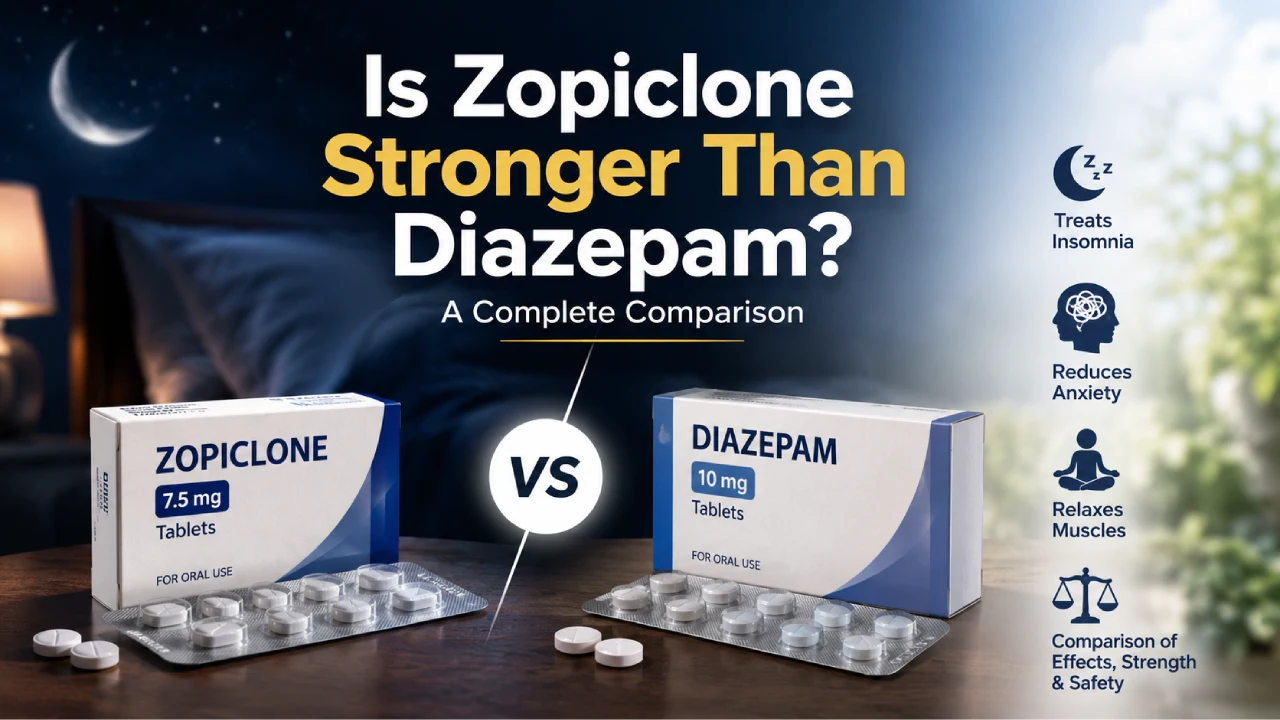
  • Is Zopiclone Stronger Than Diazepam? A Detailed Comparison for Better Sleep

    Is Zopiclone Stronger Than Diazepam? A Detailed Comparison for Better Sleep

    When struggling with persistent insomnia or anxiety-related sleep disturbances, many people find themselves comparing two commonly prescribed medications: zopiclone and diazepam. If you are asking yourself, “Is zopiclone stronger than diazepam?” — you are not alone. This is one of the most searched questions among individuals seeking effective sleep solutions in the UK.

    In this comprehensive guide, we will break down the differences between these two medications, examine their relative strengths, and help you understand which option may be more suitable for your specific needs.

    Understanding Zopiclone and Diazepam

    Before comparing their strength, it is essential to understand what each medication is and how it works.

    What Is Zopiclone?

    Zopiclone is a non-benzodiazepine hypnotic agent, commonly referred to as a “Z-drug.” It was specifically developed to treat insomnia by helping you fall asleep faster, reducing nighttime awakenings, and improving overall sleep quality. Unlike older sleeping pills, zopiclone is designed to target sleep specifically with a shorter half-life, meaning it leaves your system relatively quickly.

    Key characteristics of zopiclone:

    • Primarily used for short-term insomnia treatment (2-5 weeks)
    • Typical dosage: 7.5mg before bedtime
    • Onset of action: 30-60 minutes
    • Half-life: approximately 5-6 hours
    • Classified as a Schedule IV controlled substance

    If you want to understand the science behind how this medication functions, read our detailed guide on how zopiclone works in the brain.

    What Is Diazepam?

    Diazepam, widely known by its brand name Valium, belongs to the benzodiazepine class of medications. While it can be used to aid sleep, it was originally developed as an anxiolytic (anti-anxiety medication) and possesses multiple therapeutic properties including muscle relaxation, seizure control, and sedation.

    Key characteristics of diazepam:

    • Used for anxiety, muscle spasms, seizures, and alcohol withdrawal
    • Sometimes prescribed off-label for sleep issues
    • Typical dosage for sleep: 5-10mg (varies significantly)
    • Onset of action: 15-60 minutes
    • Half-life: 20-80 hours (including active metabolites)
    • Also a controlled substance with high dependence potential

    Is Zopiclone Stronger Than Diazepam? The Definitive Answer

    The answer depends entirely on what you mean by “stronger.” These medications are not directly comparable because they serve different primary purposes and work through subtly different mechanisms.

    For Inducing Sleep: Zopiclone Is More Potent

    If your primary goal is falling asleep quickly and staying asleep through the night, zopiclone is generally considered more potent and effective than diazepam. Here is why:

    1. Specificity for Sleep: Zopiclone was engineered specifically as a sleep aid. It binds selectively to GABA-A receptor subtypes associated with sedation and sleep induction, making it more targeted for insomnia.
    2. Faster Onset: Most users report that zopiclone works within 30-60 minutes, creating a powerful urge to sleep that diazepam does not replicate as effectively. Learn more in our article how long does zopiclone take to work for your sleep.
    3. Shorter Duration: Zopiclone’s shorter half-life means you are less likely to experience grogginess the next morning — a common complaint with diazepam’s lingering effects.
    4. Clinical Preference: The NICE guidelines recommend Z-drugs like zopiclone as first-line pharmacological treatment for insomnia, whereas diazepam is not typically recommended for sleep disorders.

    For Overall Sedation and Anxiety Relief: Diazepam Has Broader Effects

    Diazepam is “stronger” in the sense that it produces more widespread central nervous system depression. It affects multiple receptor sites and produces:

    • Anxiolysis (anxiety reduction)
    • Muscle relaxation
    • Anticonvulsant effects
    • Amnesia
    • Sedation

    However, this broad action comes with significant downsides for sleep-specific use, including next-day drowsiness, cognitive impairment, and higher dependence potential.

    Zopiclone vs Diazepam: Side-by-Side Comparison

    Feature Zopiclone Diazepam
    Primary Use Insomnia Anxiety, muscle spasms, seizures
    Sleep Onset 30-60 minutes 15-60 minutes
    Sleep Quality Excellent Moderate
    Next-Day Grogginess Minimal Common
    Half-Life 5-6 hours 20-80 hours
    Dependence Risk Moderate (with prolonged use) High
    Recommended Duration 2-5 weeks maximum Shortest time possible
    Withdrawal Severity Moderate Potentially severe

    Why Zopiclone Is Preferred for Sleep Disorders

    Medical professionals generally prefer zopiclone over diazepam for treating insomnia for several important reasons:

    1. Reduced Hangover Effect

    Diazepam’s extremely long half-life means it can remain active in your body for days. This accumulation leads to daytime drowsiness, confusion, and impaired driving ability. Zopiclone clears your system much faster. For safe usage tips, visit our guide on how to use zopiclone safely and effectively.

    2. Lower Risk of Dependence (When Used Correctly)

    While both medications can cause dependence, zopiclone’s shorter duration and sleep-specific action make it somewhat less prone to the psychological dependence that diazepam’s euphoric and anxiolytic effects can create. If you are concerned about long-term use, read can you take zopiclone every night.

    3. Better Sleep Architecture

    Research suggests that zopiclone preserves natural sleep stages better than benzodiazepines like diazepam, which tend to suppress deep (slow-wave) sleep and REM sleep — both critical for physical and mental restoration. Learn more about REM sleep and why it is important.

    4. Safer for Elderly Patients

    Diazepam’s long half-life and accumulation make it particularly dangerous for older adults, increasing fall risk and cognitive impairment. Zopiclone, while still requiring caution, is generally considered safer for geriatric populations at appropriate doses.

    Important Safety Considerations

    Whether you choose zopiclone or diazepam, both medications require careful use:

    Never Combine With Alcohol

    Both drugs potentiate each other when mixed with alcohol, potentially causing respiratory depression, coma, or death. This combination is extremely dangerous and must be avoided. Read our full warning on zopiclone and alcohol.

    Short-Term Use Only

    Both medications are intended for short-term use. Long-term use leads to tolerance (needing higher doses for the same effect), dependence, and difficult withdrawal symptoms. For more information, see how to use zopiclone safely for short-term insomnia.

    Potential Side Effects

    Zopiclone side effects may include:

    • Metallic or bitter taste
    • Dry mouth
    • Daytime drowsiness (if adequate sleep time isn’t allowed)
    • Headache

    Curious about the bitter taste? Read why does zopiclone leave a bitter taste.

    Diazepam side effects may include:

    • Significant drowsiness
    • Confusion
    • Memory problems
    • Muscle weakness
    • Coordination difficulties

    Contraindications

    Neither medication should be used if you have:

    • Severe respiratory insufficiency
    • Sleep apnea
    • Myasthenia gravis
    • Severe liver impairment
    • Pregnancy or breastfeeding

    For pregnancy-specific guidance, see zopiclone precautions during pregnancy.

    When Might Diazepam Be the Better Choice?

    Despite zopiclone’s superiority for pure insomnia, there are scenarios where diazepam may be more appropriate:

    • Anxiety-driven insomnia: If your sleep problems stem primarily from severe anxiety, diazepam addresses both the anxiety and sleep issue simultaneously.
    • Alcohol withdrawal: Diazepam is the standard treatment for alcohol withdrawal symptoms, including insomnia.
    • Muscle-related sleep disruption: If muscle spasms or pain prevent sleep, diazepam’s muscle relaxant properties provide dual benefits.

    If anxiety is your main concern, you may also find our article how to sleep with anxiety helpful.

    How to Use Zopiclone Safely and Effectively

    If you and your healthcare provider determine that zopiclone is the right choice for your insomnia, follow these guidelines for safe use:

    1. Take it exactly as prescribed — typically 7.5mg immediately before bedtime
    2. Ensure 7-8 hours of sleep time — do not take it if you cannot commit to a full night’s sleep
    3. Avoid heavy meals before dosing — fatty foods can delay absorption
    4. Never exceed the prescribed dose — higher doses increase side effects without improving sleep quality. 
    5. Plan for tapering — work with your doctor to gradually reduce the dose when ending treatment

    Explore Zopiclone Products Available at Our Shop

    If you are looking for quality zopiclone products, our shop offers a wide range of options to suit different needs:

    Browse our full zopiclone shop to explore all available options.

    The Bottom Line

    So, is zopiclone stronger than diazepam? For treating insomnia specifically — yes, zopiclone is generally more potent and effective. Its targeted action on sleep mechanisms, faster onset, shorter duration, and reduced next-day impairment make it the superior choice for sleep disorders.

    However, diazepam remains “stronger” in terms of overall CNS depression and versatility, which is precisely why it is not ideal as a primary sleep aid. Its broad effects create more side effects and higher dependence risk when used for insomnia.

    If you are struggling with persistent sleep problems, consult your GP to discuss whether zopiclone tablets might be appropriate for your situation. Remember that medication should always be combined with good sleep hygiene practices — including consistent bedtime routines, limiting screen exposure, and creating a sleep-conducive environment. For tips, read our article on improve sleep hygiene tips.


    Disclaimer: This article is for informational purposes only and does not constitute medical advice. Both zopiclone and diazepam are prescription-only medications in the UK. Always consult a qualified healthcare professional before starting, stopping, or changing any medication. Never purchase prescription medications from unregulated sources.

  • Is Zopiclone Hard on Your Liver? Liver Safety, Risks & Facts

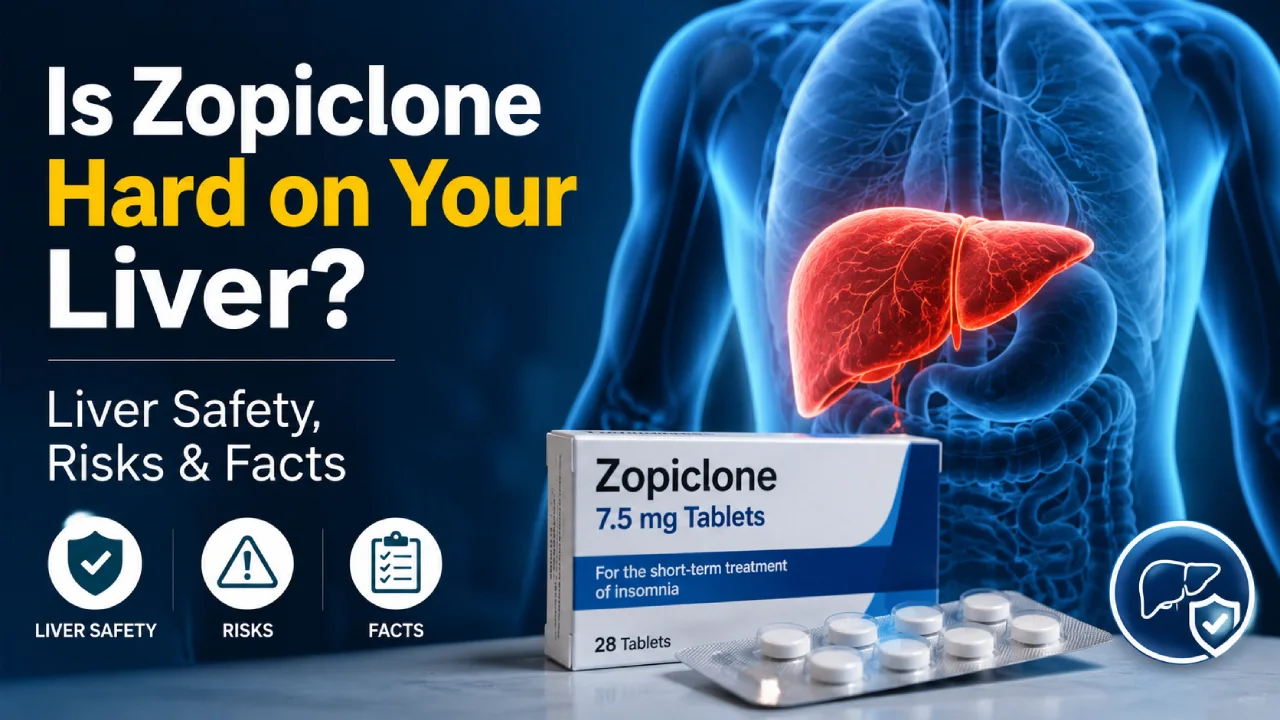
    Is Zopiclone Hard on Your Liver? Liver Safety, Risks & Facts

    Getting a restful night’s sleep is essential for physical health, mental clarity, and overall well-being. For individuals struggling with severe insomnia, doctors sometimes prescribe short-term sleep aids like Zopiclone—a non-benzodiazepine hypnotic medication designed to help you fall asleep faster and stay asleep longer.

    However, whenever you take any prescription medication, it’s natural to wonder how it affects your body’s vital organs. A common question among patients is: Is Zopiclone hard on your liver?

    In this article, we’ll break down how your liver processes Zopiclone, potential risks, safety guidelines, and what you need to know before taking this medication.

    How Does the Liver Process Zopiclone?

    The liver acts as your body’s primary filtration system, processing medications so they can be safely used and eventually excreted.

    When you swallow a Zopiclone tablet, it is absorbed through the gastrointestinal tract into the bloodstream. From there, it is transported to the liver, where it undergoes extensive metabolism primarily via two enzyme pathways:

    • CYP3A4
    • CYP2C8

    According to official pharmacological data in the emc Zopiclone Summary of Product Characteristics, the liver converts Zopiclone into two main breakdown products:

    1. Zopiclone N-oxide (an inactive compound)
    2. N-desmethylzopiclone (a weakly active compound)

    These metabolites are subsequently cleared from your body through urine, sweat, and feces. Because the liver bears the workload of breaking down Zopiclone, its function plays a key role in how safely and effectively the drug leaves your system.

    Is Zopiclone Hard on the Liver? (The Facts)

    For the vast majority of healthy adults, Zopiclone is not inherently toxic or harmful to a healthy liver when taken short-term and at the prescribed dosage.

    Unlike medications known for direct liver toxicity (such as high doses of acetaminophen/paracetamol), Zopiclone does not routinely cause liver damage in standard clinical use.

    However, there are critical nuances and safety considerations to keep in mind:

    1. Extended Processing Time in Impaired Livers

    If your liver function is already compromised—due to conditions like cirrhosis, hepatitis, or fatty liver disease—your body cannot metabolize Zopiclone at a normal speed. This causes the drug to stay in your bloodstream longer, leading to an increased risk of:

    • Severe daytime drowsiness and cognitive impairment
    • Accidental overdose due to drug accumulation
    • Worsened side effects like dizziness and confusion

    2. Risk of Hepatic Encephalopathy

    For individuals with severe liver damage, taking central nervous system (CNS) depressants like Zopiclone can be dangerous. Sedatives can trigger or worsen hepatic encephalopathy—a brain disorder that occurs when a failing liver can no longer remove toxins from the blood, causing them to build up in the brain.

    3. Alcohol and Liver Strain

    Combining Zopiclone with alcohol poses a double threat. Not only does alcohol severely intensify the sedative effects of Zopiclone, but heavy alcohol use also places excessive stress on the liver, compounding potential health risks.

    Also Read: Why Does Zopiclone Feel So Good?

    Recommended Dosages for Liver Health

    Because liver performance dictates how Zopiclone is cleared, doctors alter standard dosages based on liver health:

    Patient ProfileStandard Starting DoseNotes
    Healthy Adults7.5 mg dailyTaken immediately before bedtime for short-term use (2–4 weeks).
    Mild to Moderate Liver Impairment3.75 mg dailyA lower initial dose helps prevent drug accumulation in the body.
    Severe Liver FailureContraindicatedZopiclone is generally not recommended for patients with severe hepatic failure.

    Note: Always follow the exact dosage prescribed by your healthcare provider.

    Potential Side Effects to Watch For

    While mild side effects are common when taking Zopiclone, certain symptoms warrant immediate attention:

    Common Side Effects:

    • A bitter or metallic taste in the mouth
    • Daytime sleepiness or fatigue
    • Dry mouth
    • Lightheadedness or mild dizziness

    Signs of Liver Stress or Rare Reactions:

    If you notice any of the following symptoms, contact a healthcare professional immediately:

    • Jaundice: Yellowing of the skin or whites of the eyes
    • Unexplained Severe Fatigue: Persistent, extreme weakness or exhaustion
    • Dark Urine or Pale Stools: Changes in excretion colors that signal biliary or liver stress
    • Abdominal Pain: Pain or swelling in the upper right side of your abdomen

    Key Tips for Safe Zopiclone Use

    To ensure Zopiclone remains safe for your liver and overall health, follow these guidelines:

    1. Inform Your Doctor of Your Medical History: Always disclose any pre-existing liver conditions, kidney issues, or alcohol use history before starting Zopiclone.
    2. Stick to Short-Term Use: Zopiclone is intended for short-term treatment (typically 2 to 4 weeks). Prolonged use increases the risk of tolerance, physical dependence, and unnecessary organ strain.
    3. Avoid Alcohol Entirely: Do not drink alcohol while taking sleep medication.
    4. Never Increase Your Dose: If Zopiclone stops working, do not double your dose without medical consultation.
    5. Practice Sleep Hygiene: Combine short-term medication with good sleep habits—such as maintaining a consistent sleep schedule and avoiding screens before bed—to address the root cause of your insomnia.

    Final Verdict

    Is Zopiclone hard on your liver? For healthy individuals using the medication as prescribed for a short period, Zopiclone is generally safe and well-tolerated by the liver.

    However, for those with pre-existing liver disease or severe impairment, Zopiclone requires lower dosages and careful medical monitoring, or it should be avoided entirely. Always consult a qualified healthcare professional before starting or stopping any sleep medication.

    Disclaimer: This article is for informational and educational purposes only and does not constitute medical advice. Always seek the advice of a qualified healthcare provider regarding any medical condition or treatment.

    Also Read: Is Zopiclone Hard on Your Liver? Liver Safety, Risks & Facts

  • Why Does Zopiclone Feel So Good?

    Why Does Zopiclone Feel So Good?

    Zopiclone can feel good to some people because it slows brain activity, reduces wakefulness and provides relief from the distress of insomnia. However, that pleasant feeling is also one reason zopiclone must be used carefully. It is a prescription-only sleeping medicine intended for short-term treatment—not for relaxation, emotional relief or recreational use.

    How Does Zopiclone Work?

    Zopiclone is a type of sleeping medicine known as a “Z-drug.” It works by enhancing the effects of gamma-aminobutyric acid, commonly called GABA.

    GABA is a chemical messenger that helps calm activity in the brain. By strengthening this calming effect, zopiclone can make a person feel:

    • Sleepier and more relaxed
    • Less mentally alert
    • Less troubled by racing thoughts at bedtime
    • Able to fall asleep more quickly
    • Less likely to wake repeatedly during the night

    Zopiclone generally begins working within approximately 30–60 minutes. It should only be taken exactly as prescribed and shortly before going to bed. NHS guidance on zopiclone

    Why Can Zopiclone Feel Pleasant?

    The experience differs from person to person. For many people, the “good” feeling does not come from the medicine producing happiness. Instead, it comes from finally feeling calm and sleepy after struggling with insomnia.

    1. Relief from insomnia

    Persistent insomnia can cause frustration, anxiety, poor concentration and exhaustion. When zopiclone helps someone sleep, the relief itself may feel extremely positive.

    2. Reduced mental activity

    People with insomnia often describe racing thoughts when they go to bed. Because zopiclone reduces activity in the central nervous system, thoughts may temporarily feel slower or less intrusive.

    3. Sedation and relaxation

    Zopiclone can produce physical and mental sedation. Some people interpret this heaviness or calmness as a pleasant feeling, although others experience dizziness, confusion or discomfort instead.

    4. Improved sleep onset

    Being able to fall asleep without lying awake for hours can create a strong sense of relief. This may cause someone to associate the tablet with comfort, safety or escape from stress.

    Also Read: Can You Take Zopiclone During the Day for Anxiety? What You Need to Know

    Does Zopiclone Cause Euphoria?

    Zopiclone is not prescribed to produce euphoria. Nevertheless, some individuals may experience unusual feelings of relaxation, disinhibition or mood change—especially if the medicine is misused or taken differently from the prescribed instructions.

    Trying to reproduce a pleasant sensation by taking more zopiclone is dangerous. An additional dose may lead to:

    • Extreme drowsiness
    • Confusion or memory loss
    • Poor coordination
    • Falls and accidents
    • Unusual behaviour while not fully awake
    • Slow or difficult breathing
    • Loss of consciousness
    • Overdose

    The NHS advises contacting NHS 111 if more than the prescribed dose has been taken.

    Can You Become Dependent on the Feeling?

    Yes. It is possible to become psychologically or physically dependent on zopiclone. A person may begin to believe they cannot sleep, relax or manage difficult emotions without it.

    Tolerance can also develop. This means the original dose appears less effective after repeated use, which may create the temptation to take more. Increasing the dose without medical guidance can substantially increase the risk of harm.

    Possible signs of problematic use include:

    • Thinking frequently about the next dose
    • Taking it earlier than bedtime
    • Using it during the day to feel calm
    • Taking more than prescribed
    • Using someone else’s tablets
    • Combining it with alcohol or other sedatives
    • Feeling unable to sleep without it
    • Experiencing anxiety when tablets are unavailable

    Anyone noticing these signs should speak honestly with a doctor or pharmacist. Support is available, and treatment can be reviewed without judgement.

    Also Read: Buy Zopiclone Tablets White 7.5mg with Next Day Delivery in the UK

    Why Is Zopiclone Used Only for a Short Time?

    Zopiclone is normally prescribed for a few days or weeks and generally not for longer than four weeks. Longer use can increase the risk of tolerance, dependence and withdrawal.

    It can also become less effective as the body adjusts to it. For this reason, doctors usually prescribe the lowest appropriate dose for the shortest necessary period.

    Zopiclone does not necessarily treat the underlying cause of insomnia. Long-term sleep problems may be connected to stress, anxiety, depression, chronic pain, sleep apnoea, unsuitable sleep habits or another health condition.

    Common Side Effects

    Not everyone finds zopiclone pleasant. Common side effects include:

    • Bitter or metallic taste
    • Dry mouth
    • Morning tiredness
    • Reduced alertness
    • Daytime drowsiness
    • Dizziness or poor coordination

    More serious reactions can include breathing difficulties, hallucinations, severe mood changes and activities performed while not fully awake, such as eating, making phone calls, walking or driving.

    People should seek urgent medical advice if they experience serious or unusual symptoms.

    Zopiclone and Alcohol

    Alcohol should not be consumed while taking zopiclone. Both substances suppress activity in the central nervous system. Combining them can cause dangerously heavy sedation, impaired judgement, accidents and breathing problems. It may also make waking the person extremely difficult.

    Similar caution is necessary with opioids, sedating antihistamines, anxiety medicines, antidepressants and other sleeping tablets. A doctor or pharmacist should check all possible interactions.

    Can You Drive After Taking Zopiclone?

    Zopiclone may affect reaction time, concentration and coordination the following morning. NHS guidance advises against driving, cycling or operating machinery for at least 12 hours after taking it. A person should continue avoiding these activities if they still feel sleepy, dazed or less alert.

    Should Zopiclone Be Stopped Suddenly?

    People who have been using zopiclone regularly should not suddenly stop it without medical advice. Abrupt discontinuation may cause withdrawal symptoms or rebound insomnia, where sleeping problems temporarily return more strongly.

    Other possible withdrawal symptoms include:

    • Anxiety or agitation
    • Restlessness
    • Sweating
    • Shaking
    • Irritability
    • Difficulty sleeping

    A doctor may recommend gradually reducing the dose to help the person stop safely.

    Healthier Long-Term Approaches to Insomnia

    Medication may provide short-term assistance, but persistent insomnia often requires a wider treatment plan. Helpful approaches may include:

    • Cognitive behavioural therapy for insomnia (CBT-I)
    • Maintaining consistent sleeping and waking times
    • Reducing caffeine later in the day
    • Limiting screens before bedtime
    • Creating a dark, quiet sleeping environment
    • Managing anxiety and stress
    • Treating pain or underlying health conditions
    • Avoiding alcohol as a sleep aid

    Anyone experiencing sleep problems for several weeks should consult a qualified healthcare professional.

    Final Thoughts

    Zopiclone may feel good because its calming action reduces wakefulness and provides relief from the frustration of insomnia. That pleasant feeling should not be confused with harmlessness. Zopiclone can cause next-day impairment, tolerance, dependence, withdrawal and serious reactions when misused.

    The medicine should only be used under professional supervision, at the prescribed dose and for the recommended duration. If someone feels attracted to zopiclone for reasons other than sleep—or is finding it difficult to reduce their use—they should contact a doctor, pharmacist or appropriate support service.

    Medical disclaimer: This article provides general educational information and does not replace advice from a doctor, pharmacist or other qualified healthcare professional.

    Also Read: What Are the Differences Between Generic and Branded Zopiclone Products?

  • What Are the Differences Between Generic and Branded Zopiclone Products?

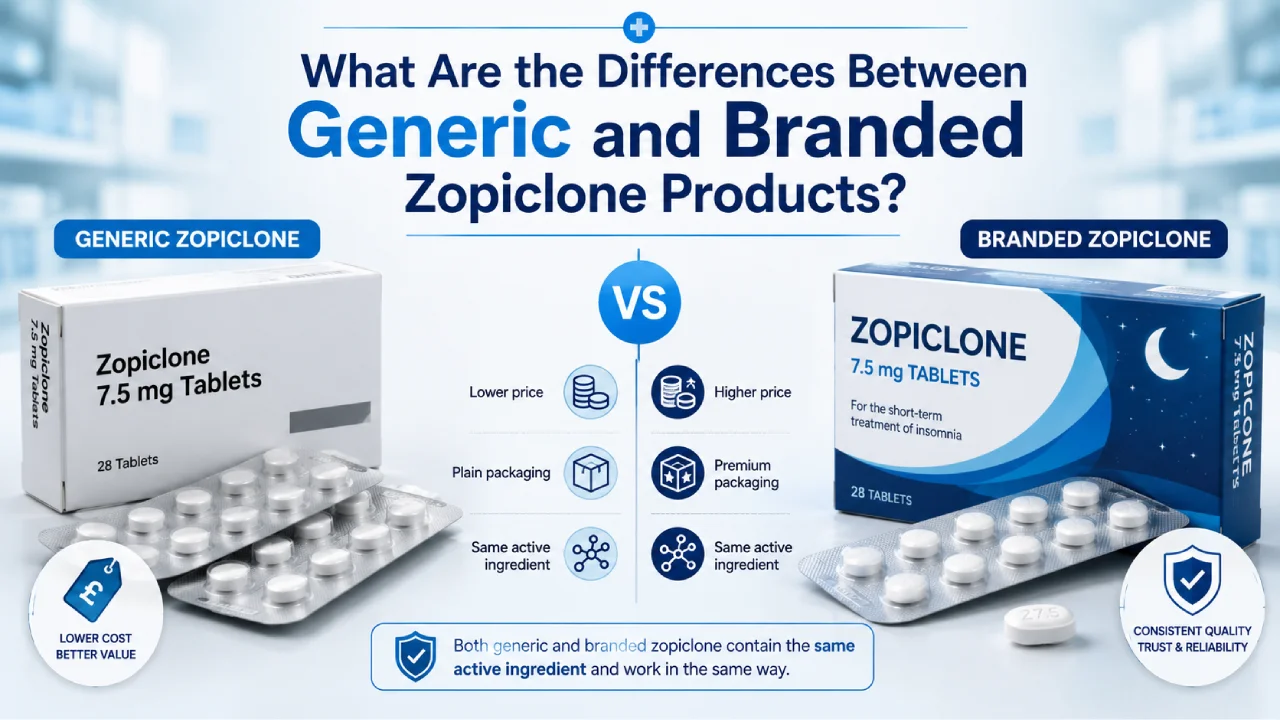
    What Are the Differences Between Generic and Branded Zopiclone Products?

    Zopiclone is a prescription-only sleeping medicine used for the short-term treatment of insomnia in adults. It may be prescribed when sleep problems, such as difficulty falling asleep, waking during the night or waking too early, are affecting everyday life. In the UK, zopiclone is classed as a “Z-drug” hypnotic and should only be used under the guidance of a qualified healthcare professional.

    One common question patients ask is: what is the difference between generic and branded zopiclone? The simple answer is that both contain the same active ingredient, zopiclone, but they may differ in brand name, manufacturer, tablet appearance, inactive ingredients, packaging and price.

    This guide explains the main differences clearly so you can better understand what your prescriber or pharmacist may supply.

    Quick Answer: Generic vs Branded Zopiclone

    Generic zopiclone is usually sold under the medicine’s active ingredient name, “zopiclone.” Branded zopiclone is sold under a manufacturer’s brand name, such as Zimovane. UK medicine listings show Zimovane and several generic zopiclone products containing the same active ingredient: zopiclone.

    In most cases, generic and branded versions are expected to work in the same clinical way when supplied legally and used as prescribed. Generic medicines must meet strict quality and safety standards and contain the same active ingredient as the branded medicine.

    What Is Branded Zopiclone?

    A branded zopiclone product is a medicine sold under a specific trade name chosen by the manufacturer. In the UK, one well-known branded zopiclone product is Zimovane 7.5mg film-coated tablets. The electronic Medicines Compendium lists Zimovane as containing zopiclone and being indicated for the short-term treatment of insomnia in adults.

    Branded medicines are often the original or more recognisable versions of a medicine. Patients may remember the brand name more easily because of packaging, tablet shape or previous prescriptions.

    What Is Generic Zopiclone?

    Generic zopiclone is sold using the medicine’s active ingredient name rather than a brand name. For example, the pack may simply say Zopiclone 3.75mg film-coated tablets or Zopiclone 7.5mg film-coated tablets.

    The eMC lists multiple generic zopiclone products from different manufacturers, including 3.75mg and 7.5mg strengths. These products contain zopiclone as the active ingredient, although the tablet size, shape, markings and inactive ingredients may vary between manufacturers.

    Also Read: Buy Zopiclone Tablets White 7.5mg with Next Day Delivery in the UK

    Main Differences Between Generic and Branded Zopiclone

    Feature Branded Zopiclone Generic Zopiclone
    Active ingredient Zopiclone Zopiclone
    Example name Zimovane Zopiclone tablets
    Intended use Short-term insomnia treatment in adults Short-term insomnia treatment in adults
    Effectiveness Expected to be clinically equivalent when licensed Expected to be clinically equivalent when licensed
    Appearance Specific brand tablet shape/marking May vary by manufacturer
    Inactive ingredients Brand-specific excipients May differ between manufacturers
    Packaging Brand packaging Manufacturer/generic packaging
    Price Often higher Often lower

    1. Active Ingredient: Usually the Same

    The most important similarity is the active ingredient. Both generic and branded zopiclone products contain zopiclone, the ingredient responsible for the medicine’s sleep-promoting effect.

    The NHS explains that generic versions of medicines contain the same active ingredients as branded medicines. UK pharmacy and NHS guidance also states that generic medicines are subject to strict safety and quality controls.

    2. Effectiveness: Expected to Be Similar

    For most patients, a licensed generic zopiclone product should work in the same way as a branded zopiclone product when taken as prescribed. This is because generic medicines are expected to match the branded reference medicine in active ingredient, dose and clinical effect.

    In practical terms, if your prescription is for zopiclone, a pharmacist may supply a generic version unless your prescriber specifies a particular brand for a clinical reason.

    3. Tablet Appearance May Be Different

    One of the most noticeable differences is appearance. Branded and generic zopiclone tablets may look different in:

    • Shape
    • Size
    • Colour tone
    • Score line
    • Tablet markings
    • Packaging design

    For example, Zimovane 7.5mg is described as a white, elliptical, biconvex film-coated tablet with a score line, while some generic zopiclone tablets are described differently depending on the manufacturer.

    A different-looking tablet does not automatically mean the medicine is weaker or stronger. However, you should always check with a pharmacist if your tablets look different from what you expected.

    4. Inactive Ingredients Can Vary

    Generic and branded products can contain different inactive ingredients, also called excipients. These ingredients help form the tablet, preserve stability or improve manufacturing quality. They do not provide the main therapeutic effect, but they can matter for some people.

    For example, some zopiclone tablets contain lactose monohydrate, which may be relevant for patients with certain intolerances. Product leaflets list the inactive ingredients for each licensed medicine.

    If you have allergies, lactose intolerance, sensitivities or dietary restrictions, ask your pharmacist to check the patient information leaflet before you take the medicine.

    5. Price Is Often Different

    Generic zopiclone is usually less expensive than branded zopiclone. This is one of the main reasons generic medicines are widely used by the NHS and pharmacies. The NHS notes that generic medicines are commonly used because they contain the same active ingredient as branded versions and are often more cost-effective.

    A lower price does not mean lower quality. Licensed generic medicines must meet quality and safety standards before they can be supplied.

    6. Manufacturer and Supply May Differ

    Branded zopiclone is associated with a specific brand owner or manufacturer. Generic zopiclone may be produced by different licensed manufacturers. Because pharmacy stock can change, patients may receive zopiclone from one manufacturer one month and a different manufacturer another time.

    This can explain why tablets sometimes look different between prescriptions. If the active ingredient and strength are correct, this is usually normal, but patients should always ask a pharmacist if unsure.

    7. Patient Experience May Differ Slightly

    Most people will not notice a meaningful difference between branded and generic zopiclone. However, a small number of patients may feel that one manufacturer’s tablet suits them better than another. This may relate to inactive ingredients, tablet coating, taste, swallowing comfort or individual perception.

    Do not change dose, repeat doses during the night or switch products without advice. Zopiclone should be used exactly as prescribed.

    Also Read: Buy Zopiclone Tablets White 7.5mg with Next Day Delivery in the UK

    Is Generic Zopiclone Safe?


    Licensed generic zopiclone is considered safe to use when it is prescribed appropriately, supplied by a regulated pharmacy and taken according to medical advice. The key safety issue is not whether the product is generic or branded — it is whether the medicine is suitable for the patient and used correctly.

    Zopiclone can cause side effects such as a metallic taste, dry mouth, dizziness or daytime sleepiness. Serious side effects can include memory problems, hallucinations or falls, especially in older adults.

    Important Safety Information About Zopiclone

    Zopiclone is normally intended for short-term use. The NHS states that treatment usually lasts from a few days to a few weeks and is usually not prescribed for more than four weeks because tolerance can develop.

    Zopiclone can also cause dependence, tolerance, addiction and withdrawal symptoms, especially if used for longer than recommended or stopped suddenly. Patient leaflets for zopiclone warn that it should not be shared with anyone else and should only be used by the person it was prescribed for.

    Speak to a doctor or pharmacist before taking zopiclone if you:

    • Are pregnant, planning pregnancy or breastfeeding
    • Have breathing problems or sleep apnoea
    • Have liver problems
    • Have a history of alcohol or drug dependence
    • Take opioids, antidepressants, antipsychotics, antihistamines or other sedating medicines
    • Feel unusually low, confused or have thoughts of self-harm

    Do not drink alcohol with zopiclone unless your prescriber has specifically advised you. Avoid driving or operating machinery if you feel drowsy, dizzy or not fully alert.

    How to Know Whether You Have a Generic or Branded Product

    Check the medicine label and packaging. A branded product will usually display a brand name such as Zimovane. A generic product will usually display the active ingredient name, such as Zopiclone 7.5mg film-coated tablets.

    You can also check:

    • The active ingredient
    • The strength
    • The manufacturer
    • The patient information leaflet
    • Tablet markings
    • Expiry date
    • Pharmacy dispensing label

    If anything looks unusual, damaged, misspelled or inconsistent with your prescription, ask a pharmacist before taking it.

    Buying Medicines Online: Why Regulation Matters

    Prescription-only medicines should only be supplied after an appropriate clinical assessment and prescription. UK guidance advises patients to check that an online pharmacy and the healthcare professionals working there are registered with UK regulators, such as the General Pharmaceutical Council.

    The MHRA register allows people to check whether a website is authorised to sell medicines online, and UK guidance warns that unregistered websites may sell medicines that are not genuine or have not been checked by a pharmacist.

    Generic vs Branded Zopiclone: Which Is Better?

    Neither is automatically “better” for every person. The best option is the one that is legally prescribed, clinically suitable, correctly supplied and safe for your individual circumstances.

    For many patients, generic zopiclone offers the same active ingredient at a lower cost. For others, a prescriber may prefer a specific brand or manufacturer because of patient tolerance, consistency or excipient concerns.

    If you feel a different version is not working as expected, do not increase your dose. Speak to your doctor or pharmacist.

    Final Thoughts

    The main difference between generic and branded zopiclone is not the active ingredient — both contain zopiclone. The differences usually involve manufacturer, tablet appearance, inactive ingredients, packaging and price.

    When supplied legally and used as prescribed, generic zopiclone is expected to provide the same clinical effect as branded zopiclone. However, zopiclone is a prescription-only medicine with important safety considerations, including dependence, withdrawal, next-day drowsiness and interactions with alcohol or other sedating medicines.

    Always use zopiclone only under the guidance of a qualified healthcare professional.

    FAQs About Generic and Branded Zopiclone

    Is generic zopiclone the same as branded zopiclone?

    Generic and branded zopiclone contain the same active ingredient: zopiclone. They may differ in appearance, packaging, manufacturer and inactive ingredients.

    Is Zimovane the same as zopiclone?

    Zimovane is a branded zopiclone product. It contains zopiclone and is used for the short-term treatment of insomnia in adults.

    Why do my zopiclone tablets look different?

    Your pharmacy may have supplied zopiclone from a different manufacturer. Generic tablets can vary in shape, markings, coating and packaging. Ask your pharmacist if you are unsure.

    Is generic zopiclone weaker than branded zopiclone?

    No. A licensed generic zopiclone product should contain the same active ingredient and strength as the branded version. Differences are usually related to packaging, appearance and inactive ingredients.

    Can I switch from branded to generic zopiclone?

    Many patients can use either, but you should follow your prescription and pharmacist’s advice. If you have concerns about switching, speak to your prescriber or pharmacist.

    Is zopiclone safe for long-term use?

    Zopiclone is usually prescribed for short-term use only. The NHS states it is usually not prescribed for more than four weeks because tolerance can develop.

    Can I buy zopiclone without a prescription?

    No. Zopiclone is a prescription-only medicine and should only be supplied after appropriate clinical assessment by a qualified healthcare professional.

    Also Read: Can You Take Zopiclone During the Day for Anxiety? What You Need to Know